

About Dying to Know

We’re not here to whisper about death. We’re here to yell about life.

Dying to Know is a national campaign to inspire you to begin to prepare for the inevitable, not with fear, but with purpose, love, and a sense of legacy. ​

Introducing our Campaign for 2025 – Nobody Knows

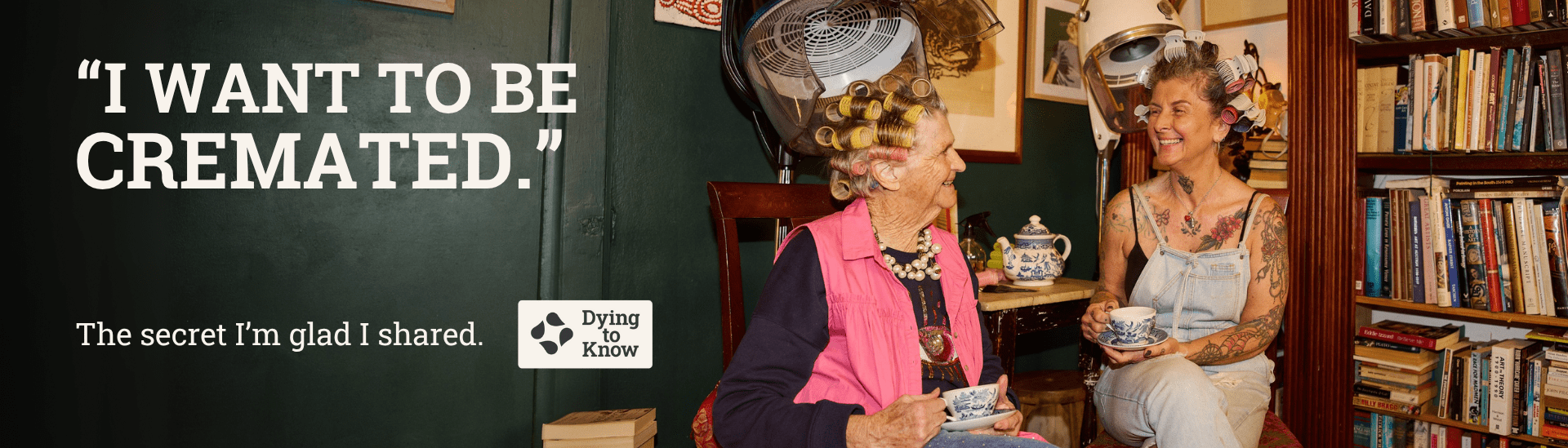
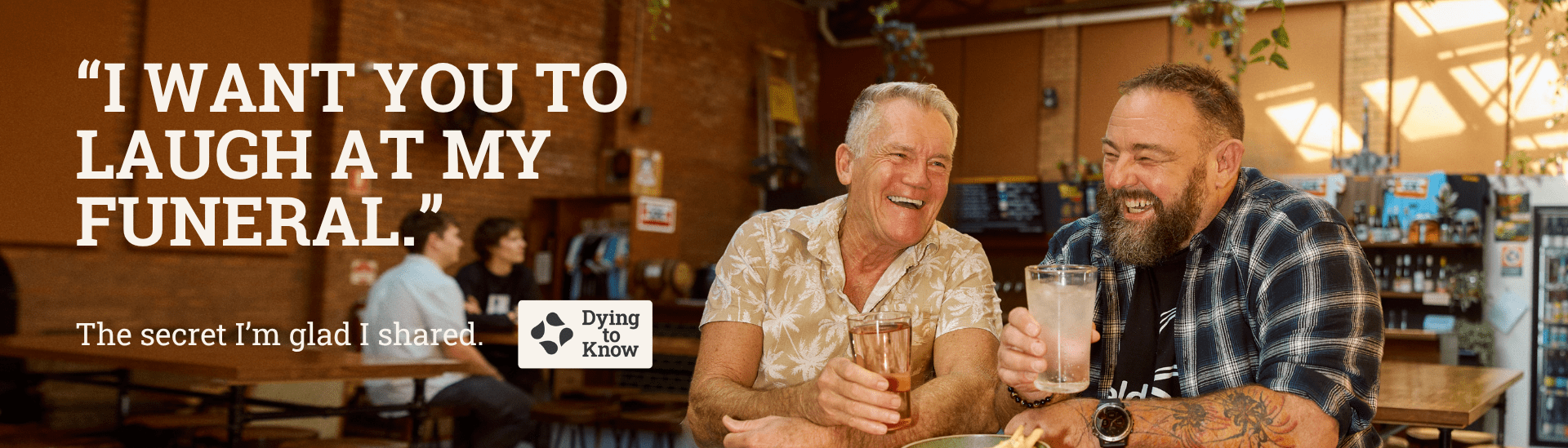
Nobody Knows is a cheeky, irreverent campaign designed to expose the absurdity of keeping your end-of-life wishes a secret. Because not telling anyone your final wishes is chaotic, confusing, and worst of all creates guesswork and potential family division.

At its core, Nobody Knows ‘The Secret I’m Glad I Shared’ is a call-out.
Because if Nobody Knows your final wishes, they never will. Share them now.

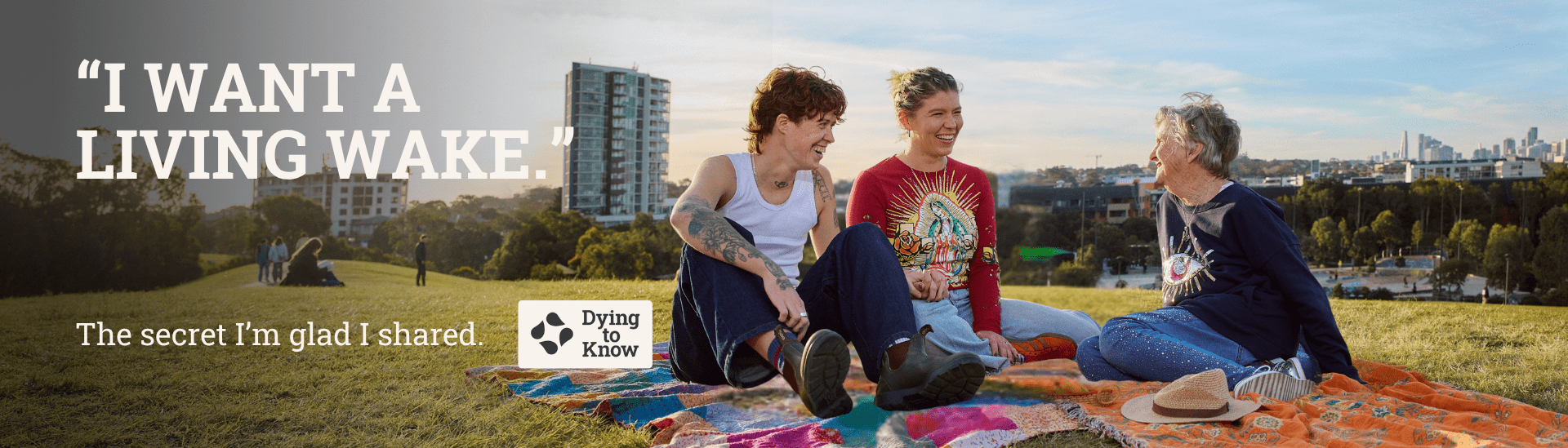
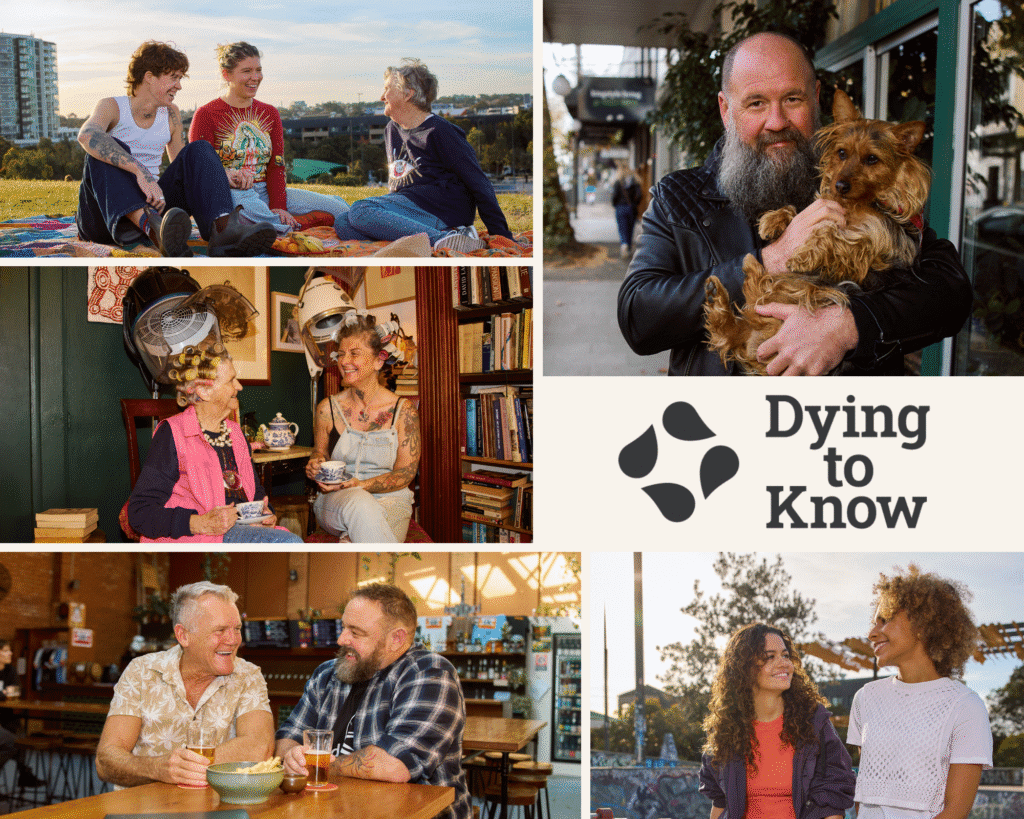
This year, we’re shining a light on the power of intergenerational conversations. Why? Because only *53% of Australians feel comfortable talking to a family member about their end-of-life.  Spoiler alert: 100% of us will face the end one day. So, we’re creating welcoming spaces for all generations to come together, share their wishes, and have the meaningful conversations that matter most.

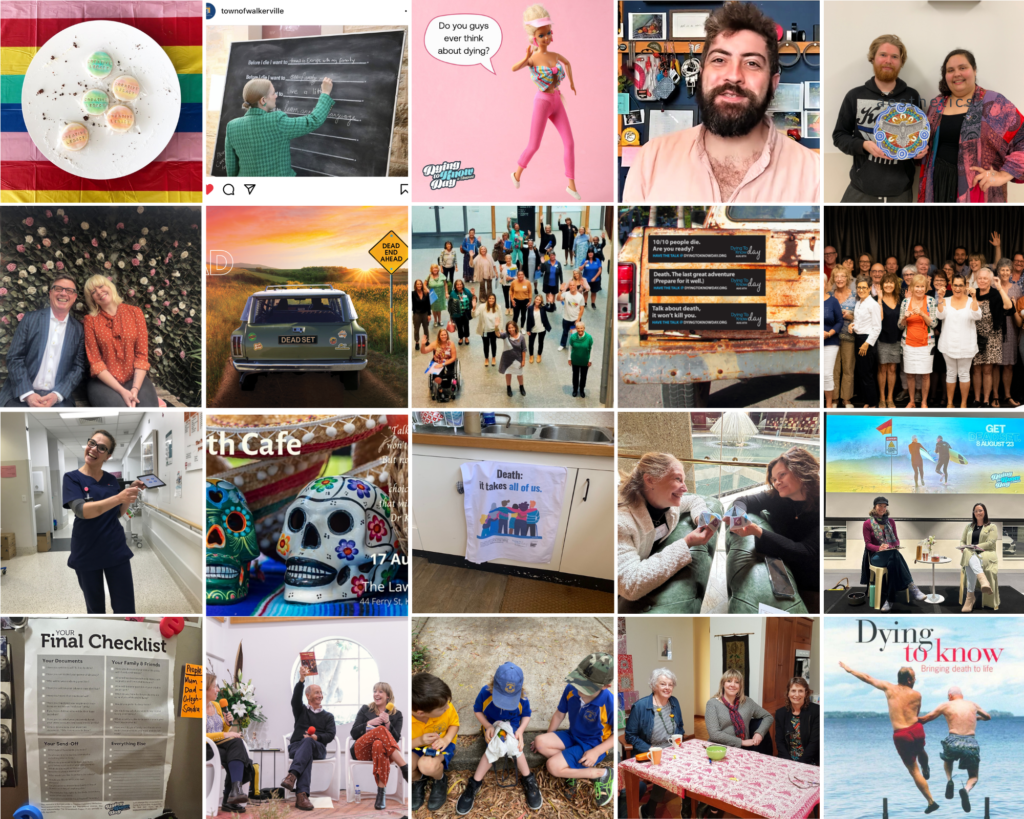
Dying to Know Day has been a national day of action, originally on August 8 extending throughout the month of August with hundreds of hosts around Australia holding gatherings aimed to normalise conversations about death, dying and grief, encouraging individuals to learn about, discuss, and plan for their own end-of-life, and to support others in doing the same. We welcome these meaningful conversations in any location or setting.

Dying to Know Day has expanded to an always-on year-round campaign under our Dying to Know brand.

Let’s embrace our precious life now. Let’s live intentionally.

*YouGov online 2022 survey
Acknowledging Grief in its many forms

Each year, over 185,000 Australians die, leaving more than 1.6 million people grieving (ABS, 2024). But grief reaches far beyond death. People experience deep loss through the death of a loved one or a cherished pet, the end of a meaningful relationship, financial instability, serious illness, or the loneliness that comes from losing connection and companionship. These experiences are part of life, yet grief is often misunderstood or dismissed.
Grief Literacy; the understanding of how grief affects us and how to support others, it can help build more compassionate communities. Whether in families, schools, workplaces, or neighbourhoods, fostering Grief Literacy allows us to move beyond silence and stigma. It empowers people to cope with loss, support one another, and create environments where grief is acknowledged and met with empathy, not isolation.
If grief becomes overwhelming and persistent the psychological side of community care is also our focus, our mental health services offer compassionate, professional support to help you navigate the healing journey.

Our Story

Dying to Know Day (D2KDay) was launched in 2013, and it takes place annually on August 8th. It is a day of action, to encourage open and honest conversations about death and dying across Australia. Its purpose is to challenge the silence around these topics and empower individuals to take control of their end-of-life decisions. By fostering a culture of awareness and preparedness, D2KDay aims to make discussions about mortality more approachable and less stigmatised, helping people feel confident in making their own plans for the future. And, the campaign is more than just a ‘day’, It is a transformational campaign born out of significant, strategic work focusing on ensuring that people have access to a good death and that their wishes are at the forefront for others. The goal has always been to ensure that those who face the end of their lives have their own wishes and experiences honoured by those who care, including the community within which they live.

Dying to Know Day was originally an initiative of The Groundswell Project Australia cofounder Dr Kerrie Noonan and collaborator Nicole Endacott and was inspired by Igniting Change and their popular book ‘Dying to Know‘.

 

In 2021, Proveda (formerly Community Care Northern Beaches), successfully merged with The Groundswell Project, proudly integrating this important program, building more capability to deliver compassion, from beginning to end of life. For Proveda, it adds a strong layer of rich, experience and understanding towards assisting end of life planning and bereavement.

It has an important role as part of our broader Proveda program of work to support people address end of life more consciously and constructively. Our end of life resources, events and education programs help people find practical tools and resources, removing awkwardness or barriers (like fear), around end of life conversations, for those affected.

Support Dying to Know!

There are a number of ways you can support Dying to Know. You might like to support the campaign by donating or sponsoring Dying to Know Day. All donation are tax deductible. Alternatively, you may be interested in spreading the word or hosting an event of your own to raise the importance of end of planning, or you may be interested in partnering with us to heighten death literacy in your workplace or community. By working together, we can help build a more compassionate and better educated community.

Some Frequently Answered Questions

How do I begin a conversation about end‑of‑life wishes with someone who avoids the topic?

Start with everyday values and memories, ask openended questions, and let the conversation unfold over several short chats rather than forcing a single big talk. Perhaps offer a lighter personal reflection about your own wishes, like your funeral song playlist, or where your last resting place is to be. Invite the to attend a local Death Café.

What practical documents should I consider after having these conversations?

1. Will

  • Specifies how your assets will be distributed after death. 
  • Appoints an executor to manage your estate. 

2. Enduring Power of Attorney (Financial) 

  • Allows someone to make financial decisions on your behalf if you lose capacity. 

3. Enduring Guardianship, Medical Treatment Decision Maker or Enduring Power of Guardianship (Varies by State/Territory) 

4. Advance Care Plan, Advance Personal Plan, Advance Health Directive (Varies by State/Territory) 

  • Incorporating an Advance Care Directive, as well as including personal wishes, values, and preferences for care. 

5. Statement of Wishes / Letter of Instruction 

  • Non-binding document outlining funeral preferences, organ donation wishes, and other personal instructions. 

6. Superannuation Beneficiary Nomination 

  • Ensures your superannuation is distributed according to your wishes. 

7. Insurance & Financial Records 

  • Life insurance policies, bank account details, and investment information. 

8. Digital Assets Plan 

  • Instructions for managing online accounts, social media, and digital files. 

9. Emotional Will – A Dying to Know Template 

  • An emotional will is about your legacy. It is a way to share your thoughts, values, lessons in life, passions, hopes and dreams with your children, friends, and future generations. A chance to ensure that you don’t leave this life with things left unsaid. You may not have added to any other document who will look after your beloved pet. Include all the things not covered in a financial Will. Click here to access the template


Other Practical Steps 

  • Organ Donation Registration (via DonateLife) 
  • Funeral Pre-arrangements (optional) 
  • Medical Summary (list of medications, conditions, GP details)
How can I involve younger family members without causing unnecessary worry?

Use appropriate correct language, focus on stories and practical arrangements (pets, keepsakes), and reassure them that adults are managing the details.

What if cultural or religious beliefs in my group conflict with proposed plans?

Invite people to share their practices, prioritise respectful listening, and seek compromises or separate rituals that honour multiple traditions.

How can we measure whether our Dying to Know activities are having an impact?

Track simple outcomes such as conversations started, documents completed, participant reflections, and new local partnerships formed. Take and share photos(with permission) of your initiatives to keep the conversations going online. Get in touch with the Dying to Know team to ask about survey tools, or the Death Literacy Institute to make use of the Death Literacy Index.

Upcoming Events

Please see our Events area for information on upcoming events