
News & Resources
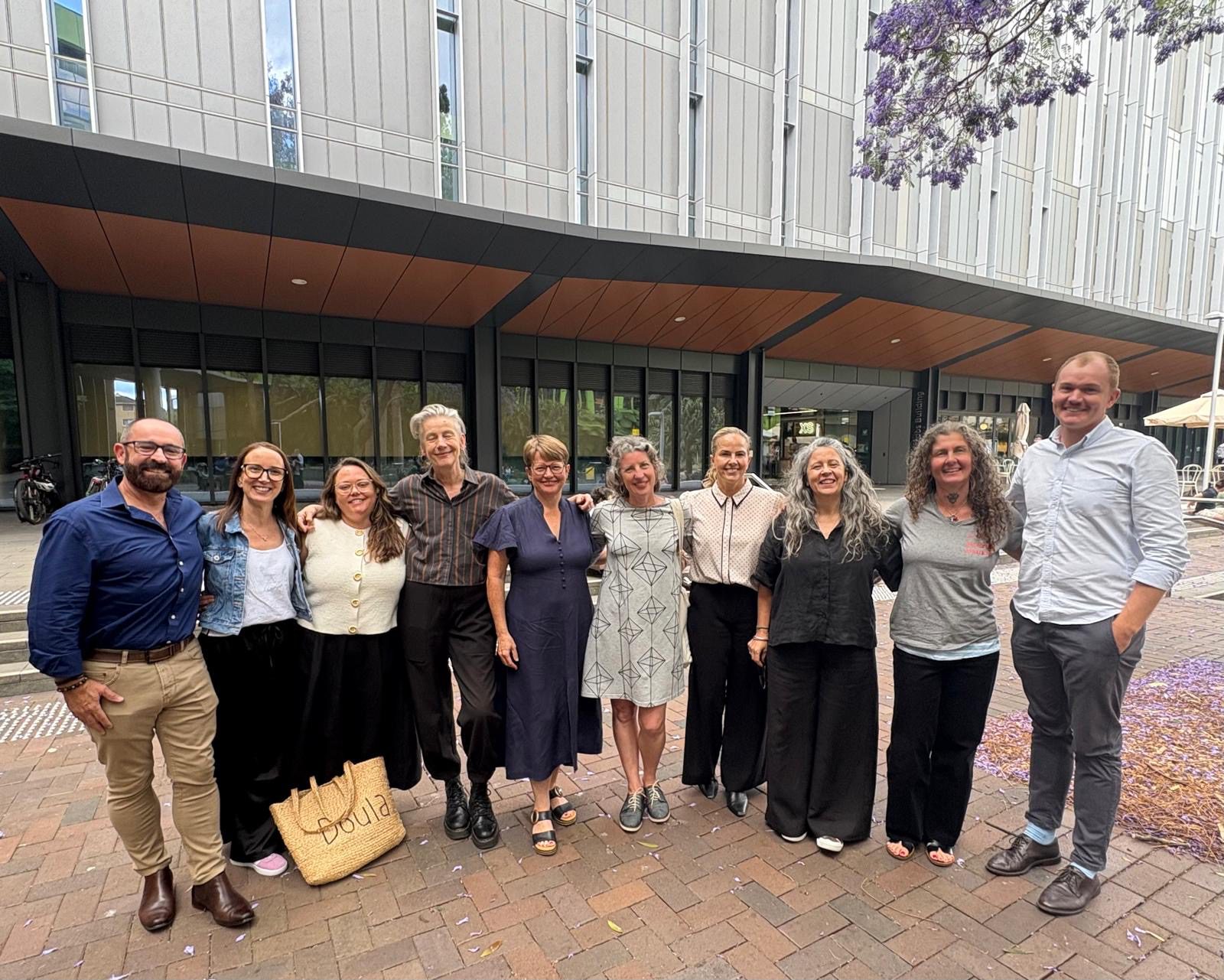
Reflections on the UNSW Death Literacy Project
Opening Up Conversations That Matter
By Danni Petkovic.
This October, Dying to Know had the honour of delivering pilot death literacy sessions for medical students at UNSW. The sessions were supported by 14 dedicated Death Doulas and formed part of our ongoing work to build compassionate communities, deepen understanding of death and dying across sectors, and strengthen the capacity of future healthcare professionals.
The UNSW Death Literacy Project did not begin as an academic concept. It emerged from real conversations with people who recognised a significant discomfort and lack of preparedness around death. Many people are unsure what to say, what to do, or how to show up when someone is dying. This work sits in a space we are often taught to avoid. Talking about death before it becomes unavoidable. Not in theory, but in everyday life. Around kitchen tables, in hospitals, and within communities that want to care well but often lack the language or confidence to do so.
Death literacy is not about finding the right words or having answers ready. It is about becoming more comfortable with uncertainty and more willing to stay present. When we can speak openly about death, we are better able to support one another while living.
Why Death Literacy Matters
Death remains one of the least discussed yet most universal human experiences. Despite its inevitability, it is still something many people avoid talking about. For many of the medical students involved, this session was their first meaningful engagement with death beyond clinical theory. It became clear how little exposure many future doctors have to real-world conversations about dying, particularly outside hospital settings.
Some students were surprised to learn that dying at home is an option, and that both statistics and lived experience show most people would prefer this. These conversations challenged assumptions and opened new ways of thinking about care at the end of life.
The Role of Doulas
The Death Doulas brought warmth, wisdom, and lived experience into the room. Their non-clinical perspectives invited students to explore grief, dying, and care in deeply human terms. Students consistently responded most strongly to personal stories and reflections rather than formal theory. Feedback was clear that hearing real experiences helped make the learning feel grounded and meaningful.
Student Reflections
Participation varied across the sessions. Some students engaged quietly, through listening and reflection, others were visibly moved.. Silence was welcomed and respected as part of the process. Many students later shared how deeply the session had affected them and how it prompted reflection on their own lives and future practice as doctors.
Cultural background also shaped how students approached the conversations. Some came from communities where talking about death is seen as unlucky or inappropriate. Across all responses, the message was consistent. Curiosity, discomfort, emotion, reflection, and quiet listening are all valid ways of engaging with conversations about death and grief.
What We Learned
Facilitators observed that engagement took many forms and that emotional safety was essential. Semi-structured storytelling and peer-led reflection worked particularly well. Students were most engaged when Doulas shared personal experiences and invited discussion rather than just delivering information.
The BBC Human Body: Death video (preview here) was a powerful tool for exploring end-of-life care and community support. Many students shared their interest in returning to this topic later in their studies, when they feel more confident in their clinical roles.
Looking Ahead
There is strong interest in making this an annual session. This would allow us to track how death literacy develops over time and identify where additional support may be needed. As the program grows, we will continue refining the format to meet students where they are, both emotionally and professionally.
Fourteen Death Doulas were paired with more than 40 facilitator doctors from the Medicine Faculty, supported by countless UNSW convenors and staff who helped bring this initiative to life. It was a powerful example of what is possible through collaboration.
We’re grateful to UNSW, the participating Doulas, and the students who showed up with openness and curiosity. Together, we’re helping shape a future where compassionate care and death literacy are part of every healthcare journey.
Explore More Resources
Videos & Talks:
What Really Matters at the End of Life | BJ Miller | TED
Dr. Lani Leary – No One Has to Die Alone: You Can Make a Difference | TEDX
Trajectory Of Dying Has Changed
Films & Campaigns
thelastecstaticdaysmovie.com
livethelifeyouplease.com
Websites & Tools
waitingroomrevolution
deathliteracy.institute
deathcafe.com
Grief Resource Links
Natural Death Advocacy Network
Shrouded Cremation
Aquamation: Alkaline Hydrolysis
Palliative Care
Death / End of Life Doula / Deathwalker / Death Midwife
Books
Ernest Becker – Denial of Death
The-Worst-is-Over
Being Mortal
Charlie Corke – Letting Go